The Nature of Luck in Gambling
Luck plays a pivotal role in gambling, often determining the outcome of various games and wagers. At its core, luck is an unpredictable phenomenon that influences results in every game of chance. Whether it’s the roll of dice, the spin of a roulette wheel, or the draw of a card, these elements rely heavily on random outcomes. Many players seek excitement at the best online casino , where this randomness can create exhilarating highs as they experience moments of unexpected fortune, reinforcing the allure of gambling.
Additionally, the psychological effects of luck cannot be understated. Players often attribute their successes and failures to luck, creating a narrative that can impact their future gambling decisions. For instance, a player who wins a significant sum may feel invincible, leading them to bet larger amounts, while a series of losses may result in discouragement. This relationship between luck and emotions can significantly influence betting behavior and strategies.
Moreover, understanding luck helps players navigate the gambling landscape more effectively. Recognizing that luck can fluctuate helps instill a sense of responsibility in players. Rather than solely relying on luck, they can blend it with strategy, which can enhance their overall experience and potential longevity in gambling activities. This intersection of luck and strategy leads us to explore the role of skill in gambling.
The Influence of Skill on Game Outcomes
While luck is often seen as the driving force behind gambling outcomes, skill also holds a significant place in determining success, especially in games where strategy and decision-making are paramount. Poker serves as a prime example where players leverage their understanding of probability, psychology, and game mechanics to gain an edge over opponents. Skilled players analyze their opponents’ behavior, make calculated bets, and utilize strategic bluffing, showcasing that the application of skill can lead to consistent wins.
In addition to poker, other games like blackjack also highlight the importance of skill. A player who understands card counting and follows optimal betting strategies can reduce the house edge, thereby increasing their chances of winning. This skillful approach allows players to make informed decisions that can manipulate the game dynamics to their advantage, showcasing that proficiency in the game can be just as crucial as a stroke of luck.
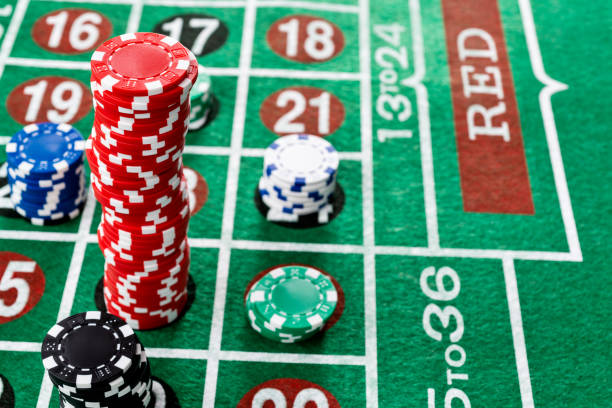
Furthermore, skill in gambling extends beyond the individual player. Betting markets, for instance, are influenced by skilled analysts and strategists who predict outcomes based on statistical data and trends. In sports betting, knowledgeable bettors who study team performance and injury reports can place more informed wagers than those relying solely on intuition or luck. Thus, while luck may influence short-term results, skill can undeniably shape long-term success in gambling.
The Balance Between Luck and Skill
The interplay between luck and skill in gambling creates a unique environment that captivates players worldwide. Many games are designed to balance these two elements, allowing them to coexist and influence player experiences. For example, slot machines are predominantly luck-based, with outcomes determined entirely by random number generators. However, players often choose machines based on past performance or personal strategies, which introduces a sense of skill in their decision-making process.
This balance has led to various gambling formats that encourage player interaction and strategy. Games like baccarat or craps may primarily rely on luck, yet they still allow players to employ skills such as betting systems and bankroll management. Understanding when to take risks and when to play it safe can be a significant factor in determining success. As such, these dynamics create an engaging gambling environment where players can navigate between the thrill of chance and the mastery of skill.
Moreover, the coexistence of luck and skill fosters a rich tapestry of gambling culture. Tournaments and competitions in games like poker or blackjack allow skilled players to showcase their abilities while still relying on the ephemeral nature of luck for critical moments. This duality not only enhances the excitement of the game but also encourages ongoing learning and development among players, ensuring that the gambling world remains vibrant and challenging.
The Psychological Impact of Luck and Skill
The psychological relationships gamblers have with luck and skill significantly influence their experiences and behaviors. The unpredictable nature of luck can evoke intense emotions—from elation during a win to frustration in the face of losses. This emotional rollercoaster can lead to what is known as the “gambler’s fallacy,” where players may believe that a win is due after a series of losses, ultimately leading them to bet more aggressively. Understanding these psychological tendencies can help players manage their expectations and maintain a healthier relationship with gambling.
Skill, on the other hand, often breeds confidence. A player who has honed their skills through practice and experience tends to feel more empowered when making decisions at the table. This confidence can lead to improved performance, as they are less likely to succumb to the emotional swings associated with luck. However, overconfidence can also backfire if a player becomes too reliant on their skills, underestimating the role of luck. Striking the right balance between confidence in one’s abilities and humility in the face of chance is essential for successful gambling.
Furthermore, the blend of luck and skill can foster a sense of community among players. Many gamblers enjoy discussing strategies, sharing experiences, and trading insights about their games. This communal aspect highlights the importance of both elements, as players can learn from one another’s successes and setbacks. By engaging with others, they can gain valuable perspectives on how to approach gambling, blending skill development with an appreciation for the randomness of luck.
Exploring More About Gambling Strategies and Insights
For those interested in diving deeper into the complex world of gambling, various resources and communities are available online. Many websites offer in-depth articles, strategies, and expert opinions that cater to both beginners and seasoned gamblers. These platforms provide insight into understanding luck and skill and how to navigate the myriad games available, ranging from card games to sports betting.
Moreover, participating in forums and discussions allows players to exchange knowledge and learn about different strategies. Engaging with experienced gamblers can provide newcomers with valuable tips and techniques to enhance their gameplay. This collaborative approach not only improves skills but also fosters a sense of camaraderie among players who share a passion for gambling.
Ultimately, the world of gambling is ever-evolving, and staying informed about new strategies and trends is crucial for players looking to thrive. As players cultivate their skills and refine their understanding of luck’s role, they can enhance their overall experience, finding a perfect balance that maximizes enjoyment while minimizing risk.