How State Sales Tax Works and What You Actually Pay
Most Americans don’t realize that state sales tax rates rarely reflect what they actually pay, since local add-ons can push the total much higher. At its core, state sales tax is a consumption-based fee applied to the final sale of goods and select services, calculated as a simple percentage of the purchase price. You can use it to your advantage by remembering it’s only charged at the point of sale, so planning bigger purchases around exempt items—like groceries or prescription drugs—keeps more money in your pocket. This system helps fund shared public services, which means every transaction you make quietly supports the community you live in.
What Exactly Is This Tax and Who Has to Pay It?
A state sales tax is a consumption-based charge applied at the point of sale for tangible goods and specific services, calculated as a percentage of the purchase price. The buyer pays it directly to the retailer, who then remits the collected amount to the state government; this makes the seller a collection agent, not the true taxpayer. Who has to pay it? Essentially, any consumer making a taxable purchase within that state—whether a resident or a visitor—owes the tax at the register. However, the real burden often shifts, because businesses factor this cost into pricing, meaning even those buying tax-exempt items may still feel its effect indirectly. If you buy a shirt, a book, or a meal out, you are the one paying it, but the legal responsibility to file and send the money rests solely with the merchant. And if you shop online from an out-of-state seller with economic nexus, you still pay your local rate. There’s no minimum income threshold for consumers—every taxable transaction counts, regardless of your budget.
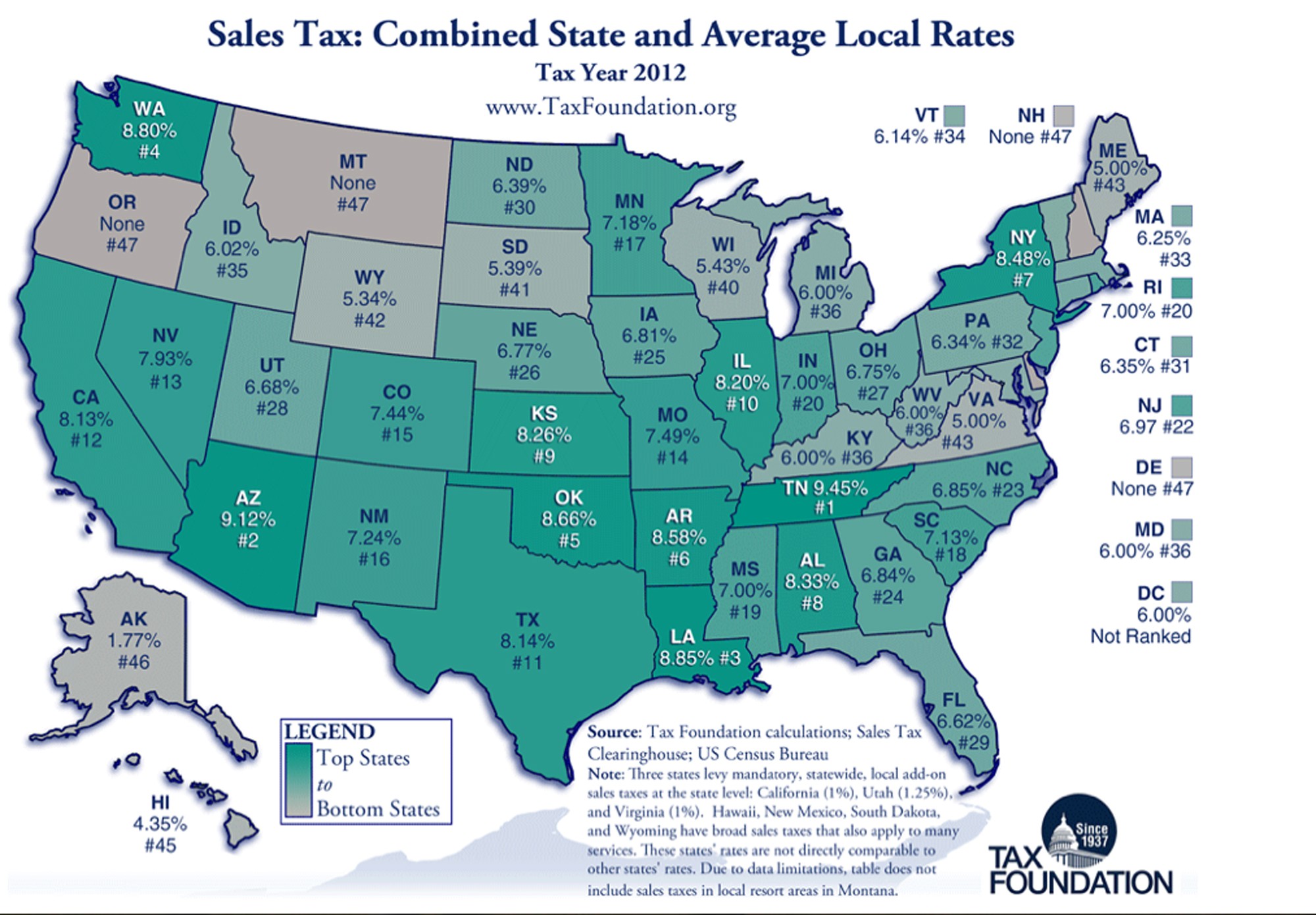
Understanding the Core Concept of a Transaction Tax
A transaction tax, in the context of state sales tax, is levied on the legal event of a sale—specifically, the transfer of title or ownership of tangible personal property from seller to buyer for consideration. The taxable moment is the exchange itself, not the seller’s income or the buyer’s wealth. This distinguishes it from a use tax, which applies when no taxed transaction occurred (e.g., out-of-state purchase). The core concept rests on the situs of the exchange, meaning jurisdiction is determined by where the transfer takes place, not where the parties reside. Logically, the seller collects the tax from the buyer at the point of sale and remits it to the state, making the buyer the economic bearer while the seller acts as statutory collector.
Q: What triggers a transaction tax liability?
A: A completed, taxable exchange—ownership transfer for payment—within a state’s taxing authority, regardless of the seller’s business model.
Which Purchases Are Typically Subject to the Levy
When you’re wondering which purchases are typically subject to the levy, think tangible goods first—new clothes, electronics, furniture, and groceries (though many states exempt unprepared food). Services are trickier: haircuts, car repairs, and landscaping are taxed in some states but not others. Digital products like ebooks, streaming subscriptions, and software downloads now face sales tax in most places, following physical media rules. Prescription meds and basic utility bills are almost always exempt. Keep in mind that prepared meals, hotel stays, and rental cars carry “sin” or tourism taxes on top of the base rate. A good rule: if it’s a physical item you can touch, expect tax; if it’s a service, check your local rules.
Q: Are online purchases subject to the levy?
A: Yes—most states require sales tax on online orders, including marketplace items, since the 2018 South Dakota v. Wayfair ruling. You’ll see it added at checkout.
How Resale Certificates Shift the Burden to the End Customer

Resale certificates function as a tax-relief mechanism for businesses, not a tax exemption for the product itself. When a retailer buys goods wholesale, the certificate tells the supplier no tax is due because the item will be resold. This shifts the tax obligation to the final consumer, who pays sales tax at the point of retail purchase. The burden lands on the end customer because the retailer is only a pass-through entity; the state collects the full amount from the buyer’s transaction, not from the intermediary’s acquisition. Without this shift, the same goods would be taxed twice, distorting the economic chain. The customer ultimately funds the entire tax revenue, while the certificate merely postpones collection to the final sale.
- Businesses avoid paying tax upfront, so the end customer’s purchase price includes the full levy.
- The state’s revenue is preserved because the customer’s transaction becomes the sole taxable event.
- If no resale certificate exists, the seller pays tax on the wholesale cost, and the customer would still pay again, doubling the burden—the certificate prevents this duplicate.
How Do You Calculate the Correct Amount Owed?
To calculate the correct amount of state sales tax owed, first identify the applicable tax rate for the buyer’s ship-to address, as rates vary by state and locality. Multiply the taxable selling price (excluding shipping if your state exempts it) by the combined state and local rate expressed as a decimal. For example, $100 × 0.0825 for an 8.25% rate yields $8.25 in tax. Then add this tax to the purchase total, but only if the item is not exempt. Always round the tax to the nearest cent using standard half-up rounding, and recalculate per transaction if multiple rates apply. If a customer asks, “What if I already paid tax to another state?” — you generally owe tax only to your nexus state on that sale, but you must keep records of any prior tax paid to claim a credit where allowed.

Starting With the Base Rate Set by Your State
To calculate the correct amount owed, you must anchor every calculation to your state’s base sales tax rate. This rate—set by state law, not your city or county—is the non-negotiable starting figure before any local surcharges apply. Find it on your state’s revenue department website; it is typically expressed as a percentage (e.g., 6%). Multiply your taxable sale amount by this decimal (0.06) to get the base tax due. This figure is your floor, not your final total. Never guess or round up, because the base rate is the legal foundation for every subsequent district or special-purpose tax you may need to layer on.
Adding Local and County Surcharges to the Total

To calculate the correct amount owed, you must add local and county surcharges to the state rate before applying the combined percentage to the taxable total. First, identify the exact district rates for the buyer’s ship-to address, as these vary by city and county. Sum the state, county, and municipal rates into a single effective rate, then multiply this by the pre-tax price. Skipping this step risks under-collection, since many jurisdictions mandate separate line-item reporting for each component. Always verify the destination’s specific code using a rate table or API, then round to the nearest cent only after computing the full combined levy. This ensures accurate total sales tax calculation for remittance.
Handling Shipping Charges and Discounts in Your Math
When calculating state sales tax, determine the correct taxability of shipping charges before applying any discounts, because each state treats freight differently. If the state taxes shipping, apply the tax to the post-discount subtotal; if shipping is exempt, exclude it entirely. For discounts, subtract trade or promotional reductions from the item price first, then compute tax on the adjusted amount—never on the pre-discount figure. If a coupon applies only to merchandise, but you also charge taxable shipping, split the calculation: tax the discounted product total plus the taxable freight. Conversely, if a discount is a “shipping credit” reducing the delivery fee, lower the shipping charge before taxing it, per state-specific sourcing rules. Always document the order of operations for audit trails.
| Scenario | Taxable Base |
|---|---|
| Taxable shipping + item discount | (Item − Discount) + Shipping |
| Exempt shipping + item discount | Item − Discount |
| Shipping credit (reduces freight) | Item + (Shipping − Credit) |
Post-discount taxability ensures compliance without overpaying.
What Are the Key Differences Between Origin-Based and Destination-Based Rules?
The critical distinction between origin-based rules and destination-based rules for state sales tax lies in *where* the tax rate is applied. Under an origin-based rule, you collect sales tax using the rate of your own business location, regardless of where the buyer resides. This simplifies compliance for small sellers because you only track your local rate. Conversely, a destination-based rule requires you to apply the tax rate of the buyer’s ship-to address. This means your collected tax varies with each customer’s zip code, demanding more complex software and rate tables. For online sellers, the destination rule applies to most cross-state sales, while origin rules are rare and typically limited to in-state transactions. The key practical impact: origin simplifies accounting, destination increases accuracy for local tax revenue.
Why the Seller’s Location Matters in Some States
In origin-based states, the seller’s physical location directly determines which tax rate and jurisdiction receive the levy, meaning a business in a low-rate city charges that lower rate to all remote buyers. This creates a competitive advantage for sellers situated in areas with favorable rates, as their checkout price appears cheaper than a competitor based in a high-rate district. Conversely, under destination-based rules, your location is irrelevant for rate calculation, so the seller’s address only matters for filing and remittance logistics. However, in origin states, your exact storefront address becomes the tax anchor, so relocating even a few miles can alter your effective tax burden. Nexus alone does not trigger a rate change; your physical seat of operations does.
When the Buyer’s Ship-To Address Determines the Rate
When the buyer’s ship-to address determines the rate, the destination-based rule applies directly to the physical delivery point, not the seller’s location. This means you calculate sales tax using the tax jurisdiction where the goods ultimately arrive, including local city and county rates. For online orders, the ship-to ZIP code typically drives the rate, so a customer in a high-tax municipality pays more than one in a neighboring low-tax area. This rule only holds if the seller has nexus in the destination state; otherwise, the origin rule may prevail. **Ship-to address determination** requires you to validate the full street address, not just the ZIP, for accurate rate assignment.
- Use a geolocation service to match the exact ship-to address to its tax jurisdiction.
- Apply destination rates for every taxable product, even if your warehouse is in a different state.
- Recalculate the rate if the buyer edits the ship-to address after checkout.
- Check for destination-specific exemptions, like certain counties with reduced local rates.
How to Handle Sales Across State Borders for Remote Orders

For remote orders crossing state borders, your tax collection duty hinges on the destination state’s economic nexus laws, not your physical location. You must first verify if your sales volume or transaction count exceeds that state’s threshold; if so, you are required to collect that state’s tax rate. When shipping, always determine the ship-to address, as the tax rate applies to the buyer’s receiving location, not your warehouse’s origin. To manage this, configure your e-commerce platform to calculate tax based on the customer’s ZIP code, and maintain up-to-date rate tables for each state where you have nexus. For orders shipped to non-nexus states, you generally do not collect tax, but you should still document the exemption for audit clarity. Destination-based tax compliance for remote orders requires automating rate lookups and tracking nexus thresholds per state to avoid liability.
For remote orders, collect tax only when the ship-to state’s nexus threshold is met, and always apply the destination ZIP’s rate, not your origin state’s rate.
What Steps Should You Take to Collect and File This Money Properly?
First, confirm your exact sales tax rate for each jurisdiction where you have nexus, then add that rate to your product prices at checkout so the customer pays the tax, not you. Next, keep a dedicated ledger or spreadsheet logging every taxable sale, the amount collected, and the applicable rate—this makes filing a breeze. Log into your state’s tax portal, enter your total gross sales and the tax collected, then hit submit and pay by the deadline. Always reconcile your collected amount against what you remit; if they don’t match, adjust your next return or refund the difference. Q: What’s the smartest first step? A: Register for a seller’s permit before you collect a single dollar, so you have a legal ID to file under. Finally, save your confirmation numbers and payment receipts for at least three years—proof is your best friend if the state ever asks questions.
Registering for a Permit Before Your First Sale
Before you ring up that very first transaction, get your sales tax permit sorted out—it’s your green light to collect from customers legally. Most states require you to register *before* you make a sale, not after, so you don’t accidentally owe taxes out of pocket on a purchase you couldn’t charge for. Head to your state’s revenue department website, fill out the online form, and you’ll usually get your permit instantly or within a few days. Keep that permit number handy because it’s what you’ll use to file returns and remit what you collect. Registering for a permit before your first sale also means you can confidently set up your pricing and receipts from day one, avoiding messy corrections later.
Setting Up a Separate Account for Collected Funds
To stay compliant and avoid accidentally spending money that isn’t yours, create a dedicated sales tax liability account immediately after your first taxable sale. Open a separate business savings or money market account—never mix collected taxes with operating revenue. Transfer the exact tax amount from each transaction into this reserve, ideally daily or weekly, so the funds are untouchable for payroll or inventory. This habit also simplifies filing because your reconciliation is instant. Segregated funds act as a buffer against cash-flow shortfalls when your remittance deadline arrives.
Q: How often should I move collected sales tax into the separate account?
A: Move it at least weekly—or after each batch of sales—to prevent the balance from being accidentally spent. Automate the transfer if possible.
Choosing the Right Filing Frequency for Your Business Volume
Picking your filing frequency isn’t a one-size-fits-all deal—it’s tied directly to your sales volume. If you’re small and seasonal, monthly returns might feel like overkill, but if you’re booming, quarterly could mean a painful cash crunch. Most states let you choose, but they’ll also force a switch once you cross certain thresholds. Start with the lowest allowed frequency, then revisit every six months as your receipts grow. A sudden spike in sales? Don’t wait—request an upgrade before penalties sneak up. Match your schedule to your actual cash flow, not your hopes. Aligning filing cadence with your current sales volume keeps you compliant without drowning in paperwork.
Q: How do I know if my business volume justifies a switch to monthly filing?
A: If your taxable sales have consistently exceeded your state’s threshold for two straight quarters, it’s time to move to monthly—waiting longer only invites late-filing fees.
What Common Mistakes Should You Avoid With This Obligation?
The biggest mistake is treating your sales tax obligation as a once-a-year thought, only to realize mid-quarter you’ve been collecting on sales tax calculator the wrong base. You must avoid lumping taxable and non-taxable items into one lump sum, because that triggers an automatic audit red flag. Another common error is using your own home address as the sole nexus point, ignoring that a single remote worker’s laptop in another state creates filing duties there. Most critically, don’t assume your software is error-free; it still needs human review for product taxability codes. Your obligation is to reconcile every single transaction against the exact rate at the exact moment of sale, not just at the end of the month.
If you round the total tax down to the nearest dollar to make it “easier,” you’re technically under-remitting—and that’s the fastest way to turn a quiet filing into a penalty letter.
Finally, never pay your liability from the cash register drawer without setting it aside first, because that “temporary” loan usually becomes permanent—and you’ll owe the shortfall plus interest from your own pocket.
Why Ignoring Tax-Exempt Buyers Without Paperwork Hurts
Ignoring tax-exempt buyers who lack proper paperwork leaves you fully liable for the uncollected sales tax during an audit. Without a valid exemption certificate on file, the state assumes the sale was taxable, and you owe the tax plus interest and penalties from your own funds. Failure to verify exemption documentation also converts a legitimate nonprofit’s purchase into a compliance violation, creating a backlog of errors that are time-consuming to reconstruct. Each undocumented exempt transaction becomes a direct financial hit, and even if the buyer later provides the certificate, you still may face late-filing fees. Therefore, never process a tax-exempt sale until you physically have the completed, signed form in hand.
How to Avoid Overpaying on Wholesale Purchases
To avoid overpaying on wholesale purchases, verify that your resale certificate is active in the state where the supplier is located, as an expired certificate triggers full tax at checkout. Always request an itemized invoice that separates taxable goods from exempt manufacturing inputs, since lump-sum pricing often hides erroneously charged sales tax. Confirm whether the supplier already holds a direct-pay permit, which shifts tax liability to you; if they do not, you must remit use tax directly, not pay the seller’s collected amount twice. Reconcile every invoice against your exemption scope before payment, and immediately dispute any tax line item that lacks a statutory basis. Finally, audit your own purchase orders quarterly to catch duplicate tax payments on returned or rejected goods.
What to Do if You Miss a Filing Deadline or Underreport
If you miss a state sales tax deadline or underreport, don’t panic—act quickly. File the amended return or late payment as soon as you spot the error, because many states reduce penalties for voluntary disclosure before they contact you. Proactively fixing underreported sales tax often waives or lowers interest charges. First, log into your state’s tax portal to see if you can e-file late or amend directly. Second, calculate the exact shortfall, including any consumer tax you collected but didn’t remit. Third, pay the balance if possible—partial payment still shows good faith. If the amount is large or you’re unsure, call the state’s tax helpline and ask about a penalty abatement request. Keep records of every correction, and set a calendar reminder so this doesn’t repeat.