Your Guide to Safe Online Gambling: Rules, Risks, and Responsible Play
Tired of the daily grind with no shot at a life-changing win? Online gambling hands you the wheel, letting you bet on everything from slots to live poker with just a few clicks from your couch. It’s a pulse-raising arena where skill and luck collide, and instant payouts turn a hot streak into real cash without leaving your home. Sign up, drop in a deposit, pick your game, and watch the odds bend in your favor—every spin and hand is yours to command.
What Exactly Is Online Gambling and How Does It Work?
Online gambling means wagering real money on games or events through a website or app, instead of at a physical venue. You first create an account, deposit funds via card or e-wallet, and then pick a game—slots, poker, blackjack, or sports betting. The core mechanics rely on a random number generator (RNG) for digital games, which ensures each spin or card deal is independent and fair. For live dealer tables, a real human streams from a studio, and you place bets through an interface while watching the action. Your winnings are credited to your balance, and you can withdraw them using the same payment method you deposited with, though some sites require identity verification first. The key is that odds and house edges are built into every game, so the platform always has a statistical advantage over time. Everything happens in real time, with instant results and automated payouts.
The Core Mechanics: Random Number Generators, Odds, and Payout Percentages
At the heart of every online slot, roulette spin, or card game lies a Random Number Generator (RNG), a software algorithm that produces thousands of unpredictable sequences per second to ensure each outcome is independent and fair. These RNGs are audited by third-party testing agencies, and their outputs determine your odds of winning, which are mathematically fixed for each game. The house edge is baked directly into these odds, representing the casino’s built-in advantage over time. Your actual returns are expressed as a payout percentage (Return to Player, or RTP), typically ranging from 92% to 98%, meaning the casino retains the remaining fraction. RNGs, odds, and RTP together define the complete, transparent mathematical framework of your wager.
Real-Money Wagering vs. Free Play: What’s the Actual Difference?
The core divide between real-money wagering and free play is the presence of financial risk and its psychological consequences. In real-money mode, every decision carries tangible loss potential, which sharpens focus but also triggers emotional bias, often leading to chasing losses. Free play removes this pressure, allowing you to test strategies or learn game mechanics without fiscal penalty, yet it lacks the adrenal stakes that shape actual betting behavior. Consequently, success in free play does not reliably predict profitability with real funds because the risk profile alters decision-making entirely. The actual difference is the cost of a mistake, which changes your tolerance for variance and bet sizing.
- Real-money play demands bankroll discipline; free play lets you ignore variance.
- Free-play winnings are non-withdrawable, serving only as practice currency.
- Bonus funds often blur the line, carrying wagering requirements before becoming real cash.
- Real-money losses are permanent; free-play losses reset instantly.

How Transactions Flow: Deposits, Wagers, and Withdrawal Timelines
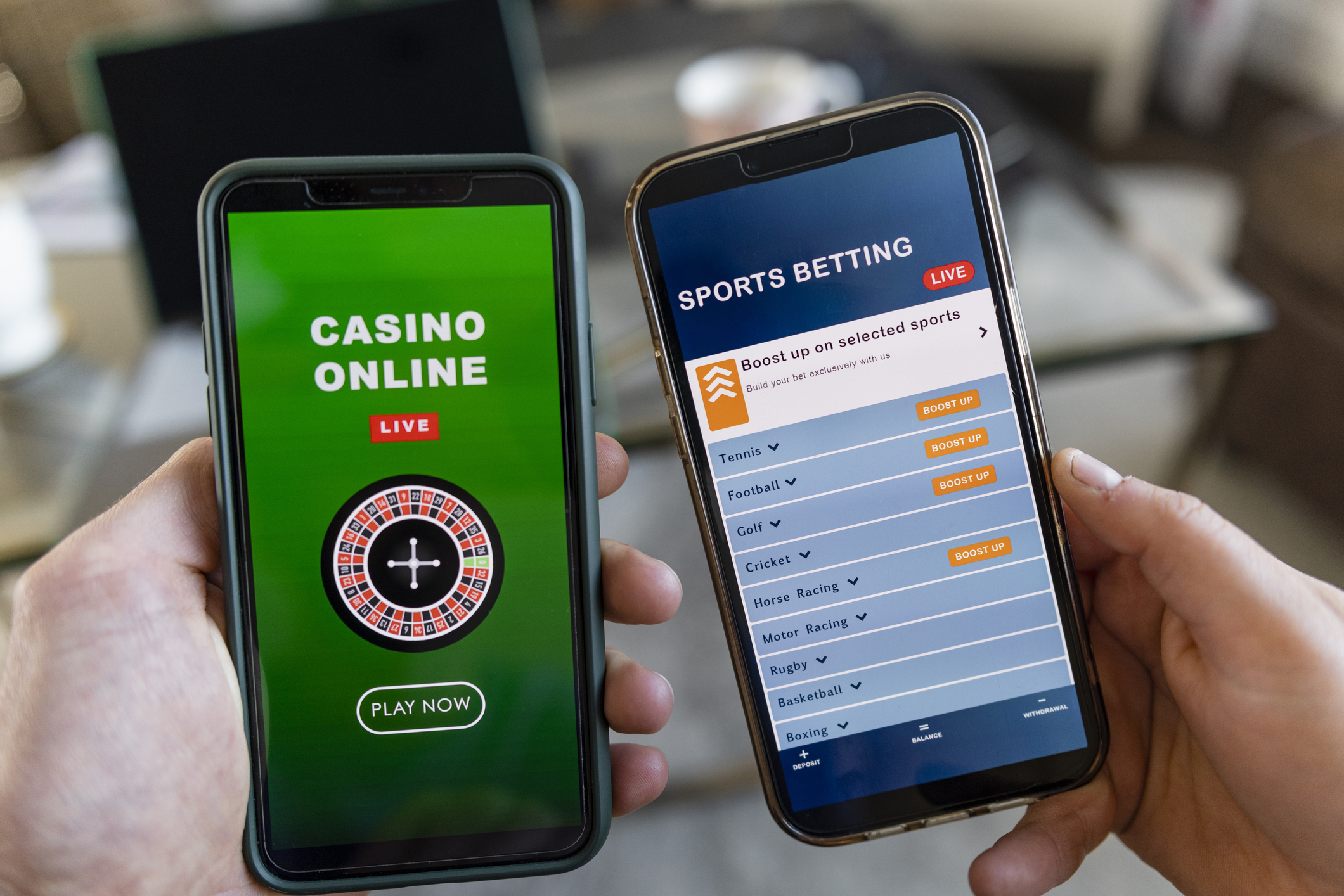
When you fund an online casino account, the deposit typically lands instantly via cards, e-wallets, or crypto, letting you place wagers on real-money games within seconds. Each bet deducts from your balance in real time, while wins credit immediately—but withdrawals are a different beast. Most sites process cash-out requests only after a pending period (24–72 hours) for identity checks and fraud sweeps. E-wallets and crypto return funds within hours, whereas bank transfers or card payouts can stretch to 3–7 business days. Some operators also enforce a wagering requirement rollover before releasing bonus-linked funds. Withdrawal timelines depend heavily on your chosen method and verification status.
Q: Why does my withdrawal take longer than my deposit?
A: Deposits bypass human review, but withdrawals trigger security checks—like matching your name on the payment method—plus the casino’s internal approval queue, which slows the outflow compared to the frictionless inflow.
Which Types of Casino Games Can You Play for Real Money?
When you step into an online casino with real money on the line, the first choice is always the slot reels, where spinning for cash rewards is as simple as setting your bet and hitting the button. Beyond that, live dealer tables bring the authentic casino floor to your screen, letting you wager on blackjack, roulette, and baccarat in real time. For strategic minds, real money poker games pit you against other players, while video poker offers a solo blend of luck and skill. Don’t overlook specialty games like keno or scratch cards for instant payouts, and if you prefer skill-based action, real money blackjack variations with side bets keep every hand tense. Each game type has its own rhythm, but all share the same thrill—your stake, your call, the next spin or deal deciding your balance.
Slot Volatility Explained: Low, Medium, and High Variance Choices
Slot volatility, or variance, tells you how risky a game feels. Low variance slots pay out small wins often, perfect for stretching your bankroll and enjoying longer sessions without huge swings. Medium variance strikes a balance—you’ll see decent hits fairly regularly, with the occasional bigger payout to keep things exciting. High variance slots are the thrill-seekers’ choice: wins are rarer, but when they land, they can be massive. To pick the right one, think about your budget and patience. Choosing the right variance matches your risk tolerance, not just the theme. A quick way to decide:
- Low: frequent, small returns; ideal for casual play.
- Medium: mixed frequency and size; a safe middle ground.
- High: rare, huge wins; only if you can handle dry spells.
Always check the game’s info screen—it often hints at variance before you spin.
Table Games with Live Dealers: How Real-Time Streaming Changes the Experience
Live dealer tables replace algorithm-driven outcomes with a human croupier visible via real-time streaming, directly altering how you assess fairness and pace. Unlike RNG versions, you watch the shuffle, the spin, or the deal as it happens, which shifts your focus from abstract odds to observable physical actions. This immediacy lets you read the dealer’s tempo, anticipate the next hand’s rhythm, and adjust your betting strategy mid-session based on visible cue patterns rather than static payout tables. The latency between your input and the dealer’s response becomes a tactical variable, rewarding patience over reflex. Real-time streaming also enforces a fixed decision window, compressing your deliberation time and making bankroll management more reactive. Live dealer streaming fundamentally transforms table games into a social, observation-driven experience rather than a solo calculation.
Live dealer streaming changes table games by replacing RNG certainty with human-paced, visually verifiable rounds, turning each decision into a real-time tactical observation.
Progressive Jackpots and How Prize Pools Accumulate Across Players
Progressive jackpots are the ultimate thrill in online gambling because their prize pools grow with every real-money wager placed. A small percentage of each bet from players across various games—often slots, video poker, or table games—feeds a single, shared meter, making the jackpot balloon rapidly. This network effect means you’re not just playing against your own session; you’re competing with thousands of others for a life-changing sum. Standalone progressives grow slower, while wide-area linked games explode, sometimes reaching millions overnight. The key is that how prize pools accumulate across players determines your odds: more participants mean faster growth, but also a lower chance of hitting it. Always check the current jackpot size before spinning—timing your play when the pool is massive maximizes value. One lucky spin can trigger the full amount instantly, regardless of the total contributed.
Choosing a Trustworthy Platform: What Features Actually Matter to You?
When you’re picking an online gambling site, the features that actually matter are the ones you’ll touch daily—not flashy bonuses. Choosing a trustworthy platform hinges on transparent withdrawal processes: check if the cashier displays clear limits, realistic processing times, and no hidden fees before you deposit. Next, look at the game fairness indicators, like provably fair algorithms or visible RTP percentages, since these tell you if the odds are genuinely honest. A solid platform also offers quick, human-responsive support via live chat, not just a FAQ page, because problems always occur at the worst moments. Finally, test the interface’s stability on your device—laggy or glitchy software is a red flag for poor backend management.
If you can’t find the cashier policies in under two minutes, that is the single most telling sign to walk away.
Prioritize these practical details over pretty graphics; they’re what protect your money and sanity.
Game Selection Breadth vs. Software Providers: Why Both Count
A wide game library means little if the underlying software is unreliable, while elite providers cannot compensate for a thin, repetitive catalog. Game selection breadth vs. software providers requires balancing quantity with technical integrity. A robust roster across slots, live dealer, and table games ensures you avoid dead ends, but each title’s random number generator, payout speed, and mobile responsiveness depend on the studio behind it. Two platforms may host the same provider, yet differ drastically in latency or crash frequency due to their server architecture. Prioritize sites that offer hundreds of verified titles from at least five established developers, then test demo modes to confirm smooth play.
You need both: enough games to sustain engagement and trustworthy software to guarantee fair, uninterrupted sessions—neither alone is sufficient.
Payment Methods That Offer Speed and Low Fees for Gamblers
For gamblers, the best payment methods prioritize instant withdrawals with minimal transaction fees. E-wallets like Skrill and Neteller often process cashouts within hours, though some casinos levy a small service charge. Cryptocurrencies, especially Bitcoin and Litecoin, excel here: blockchain transfers bypass bank delays and typically cost pennies, regardless of payout size. Prepaid cards and certain bank transfers should be avoided if you value speed, as they can take days and carry hidden conversion fees. Always verify the casino’s fee schedule before depositing; a low deposit fee means nothing if withdrawal costs eat your winnings. Choose methods that combine near-zero fees with same-day processing to maximize your bankroll.
Prioritize e-wallets and crypto for payouts under 24 hours and toronto wolf pack costs under 1%, avoiding slow, fee-heavy bank transfers.
Mobile Compatibility and App Performance for On-the-Go Wagering
Your betting flow shouldn’t stutter when you switch from Wi-Fi to 5G. A trustworthy platform loads odds and cash-out buttons in under two seconds, even on older phones. Test the app’s live-betting interface during peak traffic: lag or frozen sliders kill momentum. Native apps often beat mobile browsers for push notifications and battery efficiency, but check if the lightweight wagering interface lets you reduce data usage. For quick in-play adjustments, follow this sequence:
- open the match card,
- tap a live odd,
- confirm your stake via a one-touch bet slip,
- watch the balance update instantly.
If the app crashes mid-stake, you lose control—so demand auto-reconnect and a persistent session timer.
Smart Bankroll Management: How to Set Limits and Stay in Control
Before you even log in, decide that your bankroll is a concrete number—say, $200—and treat it as a non-negotiable budget, like a dinner bill you can’t exceed. Set a loss limit at 20% of that amount and a win goal at 30%, then walk away the moment either hits, because the craving to “chase” usually arrives right after a bad spin or a tilted hand. Use the platform’s built-in deposit caps and session timers as your shield, not a suggestion, and check them weekly to adjust for real-life shifts in income. The most disciplined players treat their bankroll like a fading fire—they feed it only when they’re calm, not when they’re desperate. You’ll know you’ve mastered control when you can lose your daily limit and still feel curious about tomorrow’s game, not angry at today’s. Finally, keep a small notebook or a note on your phone logging every bet over $10—this turns vague “fun” into a clear ledger, and your own written numbers will speak louder than any urge to reload.
Using Deposit and Loss Limits Built into Your Player Account
Your player account’s built-in deposit and loss limits are your first line of defense against chasing losses. Set these before you start a session, not after a rough streak, because they trigger automatically once you hit your ceiling. A deposit cap stops you from adding more funds when the adrenaline spikes, while a loss limit locks your gameplay the moment your balance dips to a pre-set floor. Together, they create real-time financial guardrails that do the emotional decision-making for you. Update them only during a cool-off period, never mid-session, to keep your strategy honest.
- Choose a daily, weekly, or monthly deposit cap that matches your disposable income.
- Set a loss limit lower than your deposit limit so you always walk away with something.
- Activate the “locked limits” option if available, preventing yourself from raising them impulsively.
Percentage Betting Strategies: Flat Betting vs. Progressive Systems
Flat betting assigns a fixed percentage of your bankroll to every wager, typically 1–3%, ensuring that losing streaks reduce stake sizes proportionally and protect your capital. Progressive systems, like the Martingale or Parlay, adjust stakes based on previous outcomes, aiming to recover losses or capitalize on streaks, yet they introduce volatility and require strict caps. In online gambling, where speed amplifies risk, flat betting offers superior long-term sustainability because it avoids chasing losses and keeps variance manageable. Progressive methods can boost short-term wins but often fail without rigid loss limits, making them suitable only for disciplined players who accept their higher ruin probability.
Q: Which percentage strategy minimizes bankroll depletion in online casinos?
A: Flat betting, as it mathematically reduces the chance of catastrophic drawdowns compared to progressive systems that escalate stakes after losses, though your risk tolerance should guide the final choice.
Recognizing When to Walk Away: Time-Outs and Self-Exclusion Tools
Recognizing when to walk away is the cornerstone of smart bankroll management and self-exclusion tools, and online casinos offer two distinct mechanisms for this. A time-out is your immediate circuit breaker, freezing your account for 24 hours to seven days—ideal for cooling off after a losing streak or a tilt session. Self-exclusion, by contrast, is the heavy artillery, locking you out for months or years and often triggering deposit bans across linked sites. Use a time-out proactively, before frustration sets in, not after. Self-exclusion should be triggered when you notice chasing behavior or secretive play. Both tools transfer control from impulse to logic. The moment you hesitate to click “exclude,” you have your answer: you need that click.
Practical Tips for First-Time Bettors: Bonuses, Mistakes, and Etiquette
When you grab a welcome bonus, always read the wagering requirements first—a flashy 100% match means nothing if you must bet it 40x before withdrawing. For first-time bettors, the biggest mistake is chasing losses with bigger stakes; set a strict budget and stick to it, even if your gut says otherwise. Also, avoid betting on every game you see—pick one or two sports you actually understand. Online gambling etiquette matters too: never spam the live chat with complaints after a bad beat, and tip the dealer if the site allows it, just as you would in a casino. Finally, test the cash-out feature with small bets to see how it feels before relying on it during high-stakes moments.

Wagering Requirements Decoded: How to Turn a Bonus into Cash
To turn a bonus into withdrawable cash, you must decode the wagering requirement—the multiplier (e.g., 30x) dictating how many times you must bet the bonus amount before funds unlock. Prioritize low-wagering bonuses with clear game contributions, since slots often count 100% while table games count far less. Calculate your effective playthrough by multiplying the bonus by the multiplier, then track your progress in the cashier. Choose games with high return-to-player rates to preserve your balance during grinding. If the requirement feels steep, forfeit the bonus early to salvage any real-money winnings. Always verify time limits and max bet caps, as exceeding them voids the cash-out.
Common Beginner Errors with Odds, House Edge, and Chasing Losses
New bettors often misread odds, assuming fractional or American formats directly reflect true probability rather than the bookmaker’s margin. This leads to overvaluing short-priced favorites and undervaluing the built-in house edge, which typically ranges from 2% to 10% depending on the game. A common error is chasing losses by doubling stakes after a losing streak, believing a win is “due.” This ignores that each bet is independent, and the house edge compounds with every wager. Even a winning session can leave you net negative if you have repeatedly risked more to recover earlier losses. Chasing losses accelerates bankroll depletion faster than any single bad bet.
Q: Why is chasing losses considered the most dangerous beginner mistake with odds and house edge?
A: Because it combines misreading odds (expecting an improbable win) with the house edge’s cumulative drag, turning a temporary setback into a guaranteed long-term loss.
Live Chat Etiquette and Responsible Conduct at Virtual Tables
When engaging at virtual tables, treat the live chat as an extension of the table’s social contract, not a private messaging app. Avoid spamming emojis, flooding the feed with repeated bets, or berating dealers and players after a bad hand, as this disrupts the game flow for everyone. If you need to vent, mute your microphone or step away rather than typing accusations. For responsible live chat conduct, follow this sequence: first, read the table’s posted rules on language and topic limits; second, address others by their screen names and keep comments about the current round; third, use the “chat off” feature if you feel tilted or distracted. Finally, report any abusive behavior via the platform’s built-in tool, never by retaliating in real time.